
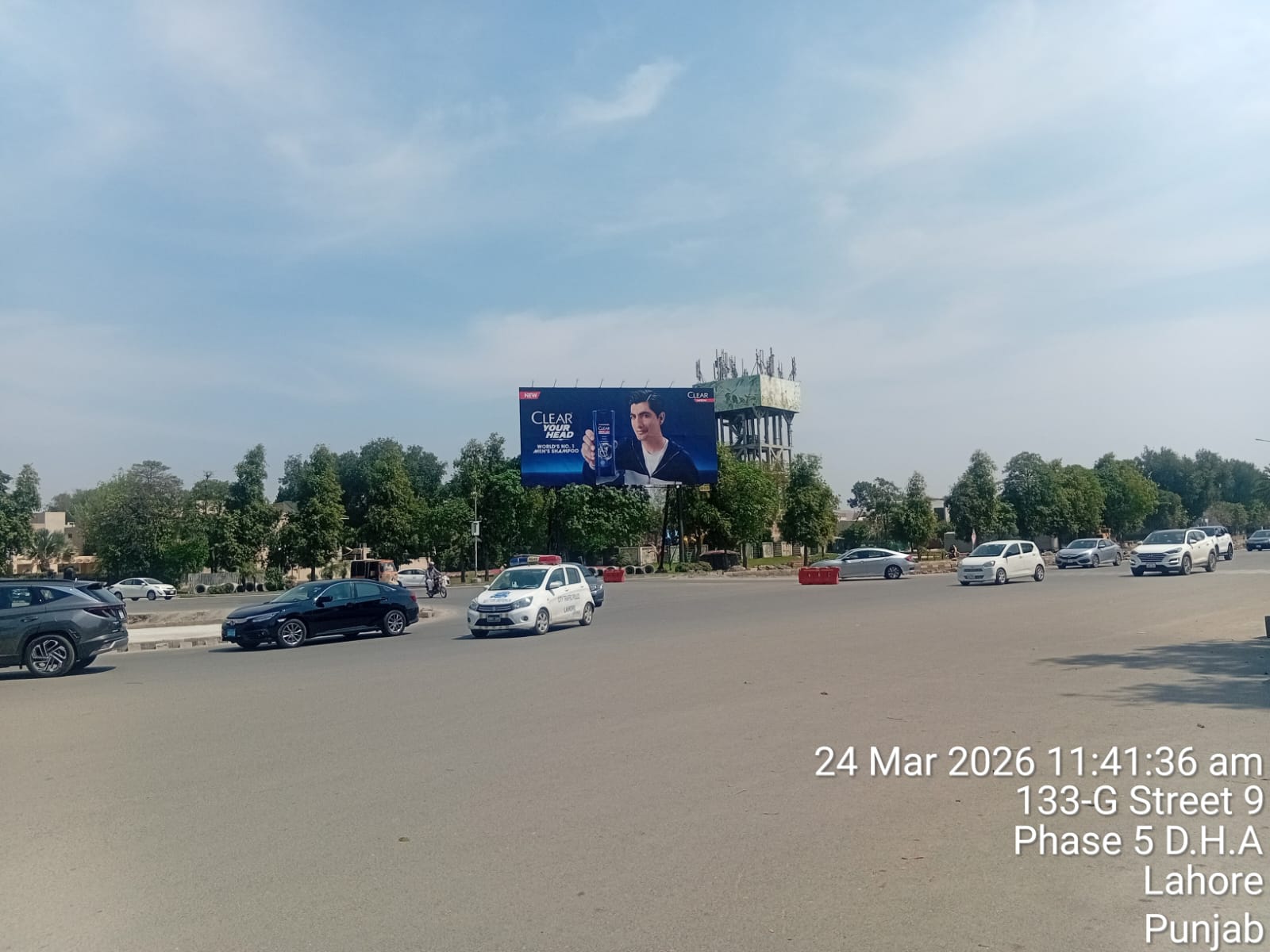
Outdoor advertising is not just about big visuals or creative ideas. The real impact often comes down to one simple factor, where your ad is placed. A strong concept in the wrong location can go unnoticed, while a simple message in the right spot can deliver powerful results. This is why location is not just a placement decision, it is a core part of campaign strategy.
Nowadays, people are almost always on the move. They commute daily, visit markets, spend time in commercial areas, and move between different parts of the city. Outdoor advertising works best when it fits naturally into these routines. Instead of interrupting the audience, it becomes a part of their everyday journey. This makes location one of the most powerful tools in creating meaningful brand visibility.
Why Location Matters More Than Ever
The modern audience is exposed to thousands of ads every day, especially on digital platforms. Outdoor advertising cuts through this clutter by showing up in real life. However, just being present is not enough. The placement has to be relevant and strategic.
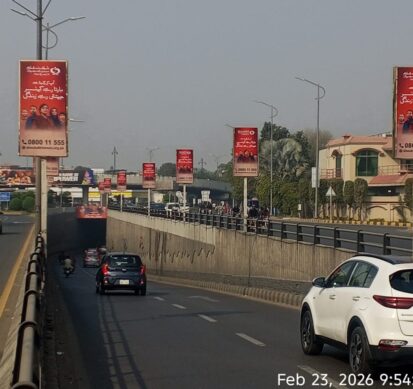
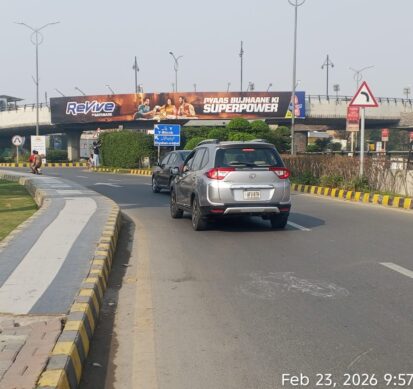
A billboard on a highway may deliver massive reach, but if it does not align with the target audience, it loses effectiveness. Similarly, a digital screen inside a shopping mall might have lower reach, but higher engagement because the audience is more attentive. The key is to understand what the campaign needs, whether it is awareness, engagement, or direct action, and then choose the location accordingly.
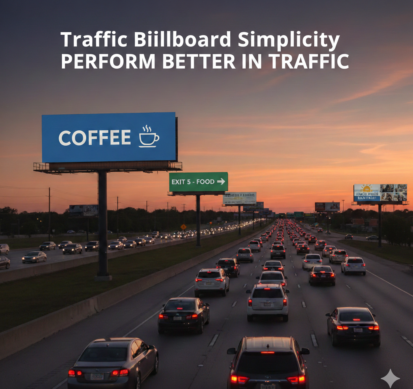
Different formats also behave differently depending on location. Large billboards work well on roads with fast-moving traffic where the goal is quick recall. On the other hand, smaller formats like kiosks or transit ads perform better in areas where people spend more time. Location helps define how the audience interacts with the message.
Understanding Audience Movement
Every successful outdoor campaign starts with understanding the audience. It is important to know where people go, how often they visit certain places, and what their behavior looks like in those spaces.
For example, office workers usually follow fixed routes during weekdays. Placing ads along these routes increases frequency and builds familiarity. Students are more active around educational institutions, cafes, and public transport areas. Families and shoppers are more present in malls, markets, and entertainment zones. Each group interacts with outdoor media in a different way.
High Traffic vs. High Intent
A common mistake in outdoor advertising is focusing only on high-traffic locations. While these areas offer large numbers of impressions, they do not always guarantee attention or engagement.
For example, a busy road may have thousands of vehicles passing every hour, but most people are focused on driving. In such cases, the message needs to be extremely simple and quick to understand. On the other hand, locations like traffic signals, bus stops, fuel stations, or waiting areas give people more time to notice and process the advertisement.
High-intent locations are equally important. These are places where the audience is already in a mindset related to your product or service. The combination of traffic and intent creates a stronger impact.
Context Creates Relevance
Location adds context to a campaign, and context makes the message more meaningful. When an advertisement is placed in an environment that matches its purpose, it becomes easier for the audience to connect with it.
For instance, a fitness-related message near a gym or park feels more appropriate and timely. A real estate campaign near a developing area can create immediate interest. A tech brand placed in a commercial or corporate hub may resonate more with professionals.
This relevance reduces the effort required to explain the message. The surroundings support the communication, making it more effective. It also increases the chances of action because the audience sees the message at a moment when it makes sense to them.
Timing and Location Go Together
Location alone does not define success. Timing plays an equally important role. The same location can perform very differently depending on the time of day or even the day of the week.
Business districts are highly active during working hours but become quiet in the evening. Entertainment areas, on the other hand, are more active at night and on weekends. Transit routes may have peak hours in the morning and evening when people are commuting.
A well-planned campaign takes these patterns into account. It ensures that the message is visible when the audience is most likely to see and respond to it. Digital outdoor media has made this even more effective by allowing time-based content changes. Brands can now show different messages at different times in the same location.
Local Insights Make the Difference
Every city has its own rhythm, and even within a city, different areas behave differently. Understanding these local patterns is essential for effective outdoor advertising.
Traffic flow, weather conditions, cultural habits, and even local events can influence how a campaign performs. A location that looks good on paper may not deliver results if it does not align with real-world behavior.
This is where local expertise becomes valuable. Knowing which routes are congested, which areas attract specific audiences, and how people move throughout the day can make a big difference. It helps in selecting locations that are not just visible, but impactful.
Local insights also help in avoiding wasted spend. Instead of choosing locations based only on popularity, brands can invest in placements that actually deliver results.
From Visibility to Impact
The ultimate goal of outdoor advertising is not just to be seen, but to create a lasting impression. Location plays a key role in achieving this. It determines how often the audience sees the ad, how they interact with it, and how well they remember it.
A well-placed campaign builds familiarity over time. Repeated exposure in the right locations strengthens brand recall and trust. It also increases the chances of conversion, whether it is visiting a store, making a purchase, or engaging with the brand online.
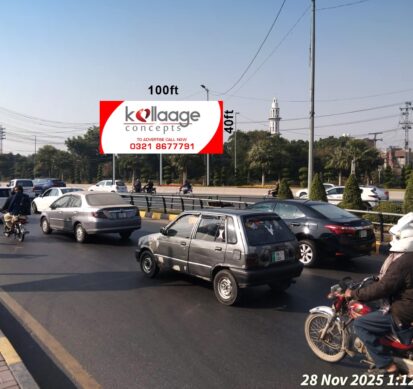
For an agency like Kollage Concepts, location planning is not just a step in the process, it is a strategic foundation. Every campaign starts with understanding the space where the idea will live. This approach ensures that creativity is supported by strong placement decisions.
Conclusion
In outdoor advertising, location is not just a placement decision, it is the foundation of the entire campaign. The right spot can amplify a message, increase recall, and drive real action, while the wrong one can limit even the best creative ideas. From understanding audience movement to choosing high attention zones and aligning with context, every detail of location planning shapes the final outcome.
Successful campaigns are built where strategy meets space. When brands appear in the right place at the right time, they do more than get noticed, they stay remembered.
At Kollage Concepts, location is treated as a strategic asset, not just a medium. Every campaign is carefully positioned to ensure maximum visibility, relevance, and impact in the real world.
Outdoor Advertising,
No Comment Yet! You can post first response comment.