
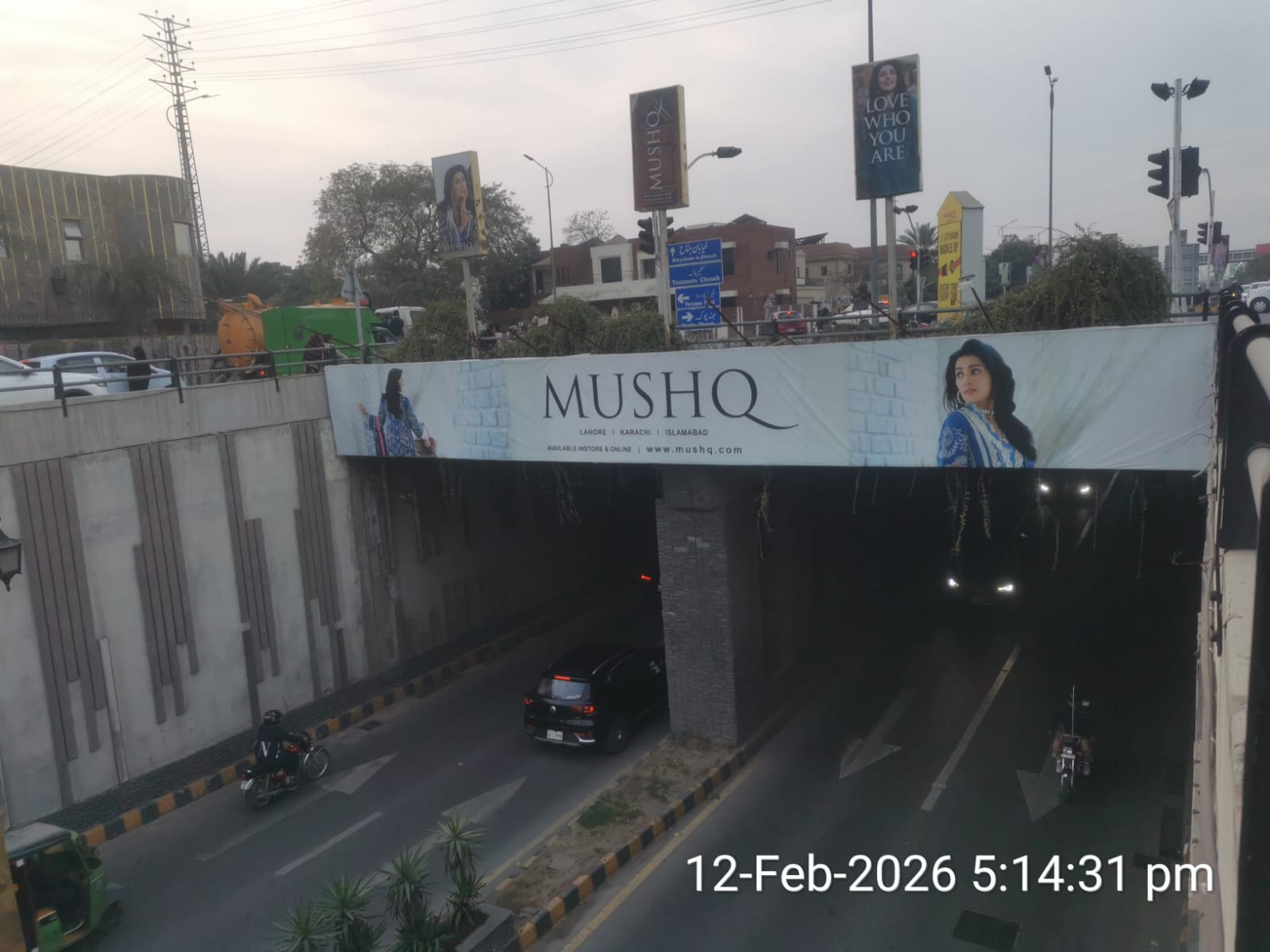
With social media platforms, search engines, AI-powered targeting, and influencer marketing dominating budgets, outdoor advertising is often labeled “traditional.”
However, in Pakistan’s socio-economic and urban context, billboard advertising has not declined but it has evolved.
This article presents a 2026 market perspective, combining industry trends, consumer behavior shifts, and expert advertising frameworks to assess whether billboards remain a relevant and profitable channel in Pakistan.
Pakistan’s Media Reality in 2026
Pakistan’s advertising market operates differently from Western or East Asian models. While digital media penetration is growing rapidly, physical exposure still dominates daily life due to:
- Heavy traffic congestion in major cities
- Mixed literacy levels
- A strong culture of visual recognition
- Urban commuting habits
- Limited ad-free public spaces
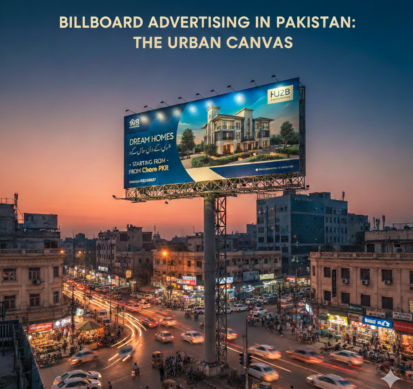
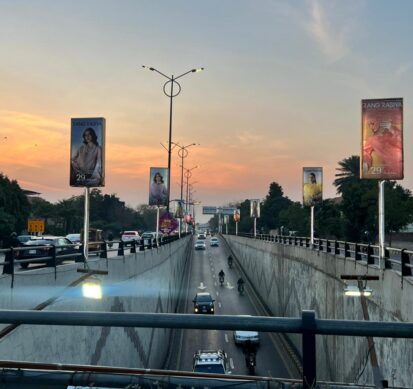
Even in 2026, the average urban commuter in Karachi, Lahore, and Islamabad spends 2–3 hours daily on the road, creating thousands of repeated visual brand impressions from outdoor media.
In contrast to digital platforms—where users can skip, block, or scroll past ads—billboards cannot be ignored. They exist in the physical reality of the consumer.
The Psychological Advantage of Billboards
Modern marketing psychology shows that brand trust increases through repeated passive exposure. This concept, known as The Mere Exposure Effect, is especially powerful in billboard advertising.
In Pakistan:
- Consumers often trust brands they “see everywhere.”
- Visibility equals legitimacy.
- Physical presence implies market leadership.
When a brand appears consistently on major roads, consumers unconsciously assign it authority and scale, even before using the product.
This makes billboards uniquely valuable for:
- New brand launches
- Political campaigns
- Real estate developments
- Telecom services
- Financial institutions
Why Billboards Still Win in Pakistani Cities
Urban Density = Advertising Power
Pakistan’s cities are expanding vertically and horizontally. Roads are more congested than ever. Unlike digital ads that compete with thousands of posts, a single billboard dominates its entire viewing zone.
Multilingual Communication
Billboards overcome literacy and language barriers through visual storytelling. In a country with multiple regional languages, this universality is a strategic advantage.
Physical Trust Factor
In emerging economies, consumers associate physical advertising with company stability. Online-only brands often struggle with credibility unless supported by offline visibility.
Professional Media Strategy View
From a media planning standpoint, billboard advertising fulfills three key objectives:
| Strategic Objective | Billboard Contribution |
| Brand Recall | Constant visual repetition |
| Market Authority | Physical dominance |
| Local Targeting | Area-specific placement |
Digital ads generate action.
Billboards build memory.
Smart brands in 2026 use billboards not for conversion—but for mental availability.
Limitations in the Modern Market
Despite their strengths, billboards face challenges:
Measurement Gap
Unlike digital ads, billboards cannot directly track clicks or sales. ROI is estimated through:
- Traffic data
- Brand lift studies
- Footfall analysis
- Geo-location comparisons
High Fixed Costs
Prime locations demand premium pricing. This requires careful media planning to avoid wastage.
Static Messaging
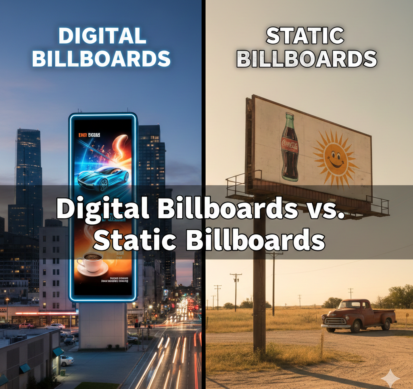
Traditional billboards lack flexibility. However, this is changing with digital OOH screens.
The Rise of Smart OOH in Pakistan
By 2026, Pakistan’s major cities are witnessing the expansion of Digital Out-of-Home (DOOH) advertising.
These screens:
- Rotate multiple ads
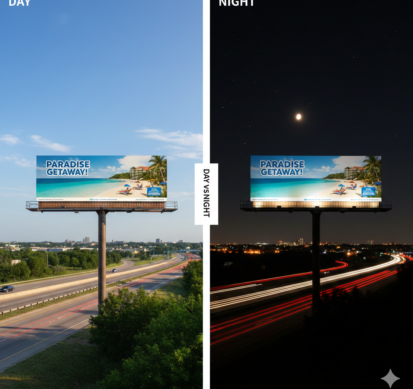
- Change content by time of day
- Integrate QR codes
- Sync with online campaigns
This hybrid model bridges the gap between physical presence and digital tracking.
When Billboards Deliver the Highest ROI
Billboards perform best when:
- Targeting mass urban audiences
- Supporting national TV or digital campaigns
- Promoting location-based businesses
- Launching new products
- Building political or corporate image
They are not meant to replace digital marketing—but to strengthen brand positioning at scale.
Expert Marketing Conclusion
In 2026, billboard advertising in Pakistan is not obsolete—it is strategically essential when used correctly.
It operates at the awareness and authority layer of the marketing funnel, while digital platforms handle engagement and conversion.
The smartest brands do not ask:
“Should we use billboards or digital?”
They ask:
“How do we integrate both to dominate mindshare?”
Because in Pakistan’s crowded, visually driven cities, the brands you see everywhere are still the brands you remember—and ultimately trust.
Outdoor Advertising,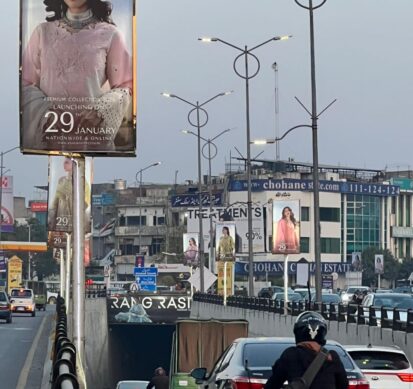
No Comment Yet! You can post first response comment.