
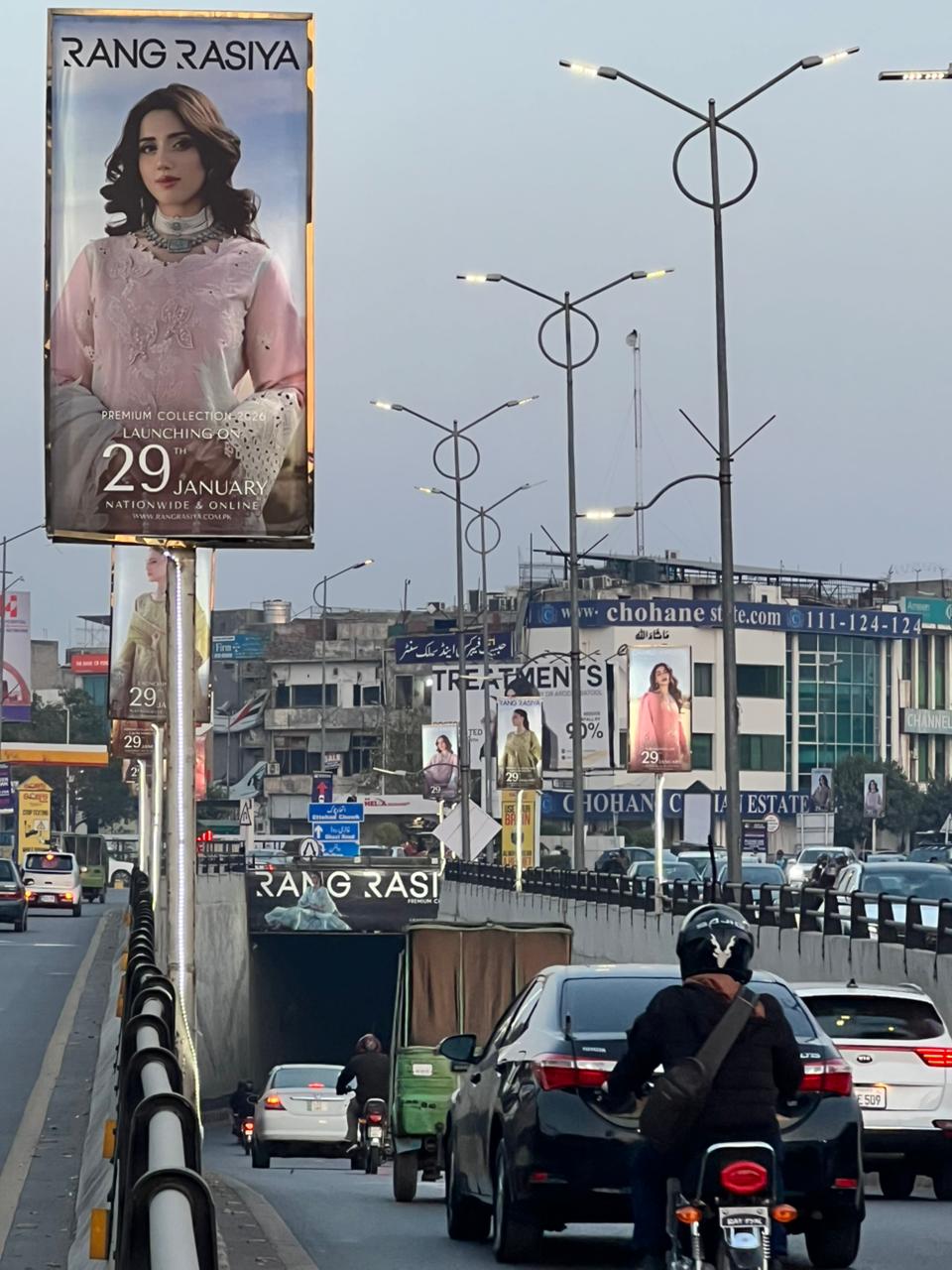
Billboards are most effective when they match human behavior, and nothing affects driver behavior in Lahore like traffic signals. Red lights, pedestrian crossings, and stop-go zones create brief moments where attention is freed from driving. That pause gives outdoor advertising a unique advantage.
Attention when vehicles stop
In busy Lahore areas like Gulberg, Jail Road, MM Alam, and DHA, traffic signals regularly halt vehicles for 20 to 60 seconds. During these pauses, drivers, passengers, and riders have more cognitive bandwidth. Their eyes naturally scan the surroundings. A well-placed billboard immediately becomes noticeable.
Static billboards benefit from this because they stay visible throughout the signal duration. Digital billboards also perform well, especially when a dynamic visual or brief animation coincides with the stop. This micro-moment increases the likelihood that the message is read, processed, and remembered.
Repetition builds memory
The same routes with consistent signals turn into repeated exposure opportunities. Commuters who see a billboard at the same light every day begin to recognize the brand without consciously trying. Familiarity builds trust, even for brands they haven’t purchased from yet.
Simple designs work best in these scenarios. A bold headline, clear visual, and readable brand name ensure that even short glances during a red light leave an impression. Complex layouts or long sentences fail because the pause is limited.
Location is everything
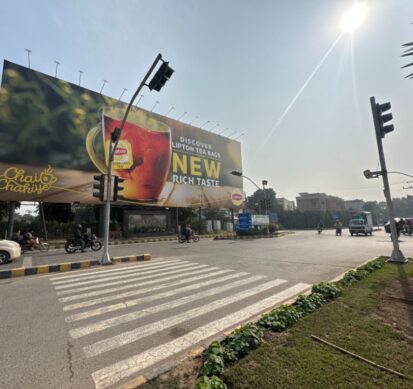
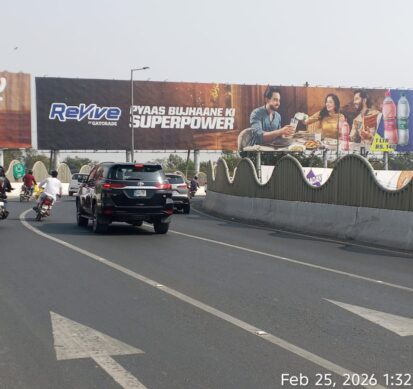
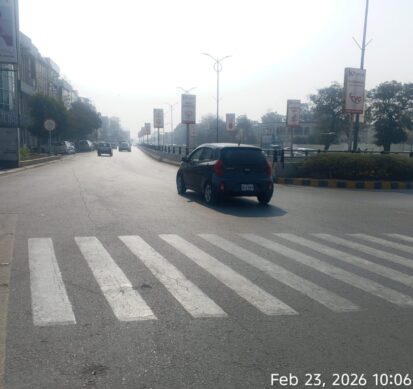
Billboards positioned just before or at traffic signals have an automatic advantage. On Lahore’s main roads, signals are often crowded with vehicles. A billboard visible from the stop line will be seen repeatedly. Placement near intersections, shopping districts, or university zones adds to exposure, especially during peak hours.
Digital billboards near signals can rotate multiple ads without losing effectiveness. While drivers stop, they get to see a few seconds of motion, which increases engagement. Animated visuals attract attention faster than static prints, but simplicity is still key to avoid information overload.
Emotional impact in brief pauses
Even a few seconds at a signal can influence perception. A visually appealing billboard triggers curiosity, desire, or inspiration. For example, showing a beautifully designed room with clean wall art communicates style instantly. The viewer imagines the same effect in their own home. That emotional connection stays longer than any detailed textual explanation.
Supporting other marketing channels
Traffic signal exposure also complements online and offline marketing. A commuter who notices a brand at a signal is more likely to remember it later while browsing social media, searching online, or visiting a store. This “first touch” increases the effectiveness of other campaigns, making each marketing channel feel more familiar and credible.
Why simplicity wins
Signals provide attention but only for a short moment. Overcrowded visuals, long sentences, or multiple offers fail to register. The brain processes images faster than text, so clean visuals, bold messaging, and clear brand identity are essential.
Final perspective
Traffic signals turn brief pauses into marketing opportunities. Repetition, location, and simplicity make billboards far more effective than random placements on fast-moving roads. When brands understand this, they can use outdoor advertising to build awareness, trust, and curiosity in a subtle, lasting way.
For businesses focused on aesthetics and visual appeal, this approach works even better. Large, simple visuals of premium wall art or interior transformations can capture attention instantly. When people repeatedly see thoughtful designs during their daily commutes, the idea of enhancing their own spaces begins to form naturally.
If you are in Lahore and looking to bring a modern, stylish touch to your walls, exploring curated canvas collections from brands like Kollaage Conepts can turn that inspiration into action. Seeing the art in high-traffic areas makes the idea feel accessible, practical, and achievable.
FAQs
How do traffic signals help billboards get noticed?
Red lights and stop zones give drivers and passengers a few extra seconds to look around. That pause makes it easier to see, read, and remember the billboard message.
Do digital billboards work better than static ones at signals?
Both work, but digital billboards attract attention faster due to motion and brightness. Static billboards benefit from continuous visibility while vehicles stop.
How long does it take for a billboard seen at signals to stick in memory?
Repeated exposure over a few weeks builds recognition. Even a few seconds each day adds up, making the brand familiar and trusted.
What type of designs work best near traffic signals?
Simple visuals, bold headlines, and a clear brand name work best. Too much text or clutter is ignored because attention at signals is limited.
Can billboards at signals influence home decor decisions?
Yes. Seeing visually appealing wall art repeatedly during daily commutes can inspire viewers to imagine the same look at home, turning awareness into interest.

No Comment Yet! You can post first response comment.